About the Ministry
Our journey, mandate, values, and leadership at MOJCA – Ministry of Justice Jubaland
Ministry Overview
The Ministry of Justice and Constitutional Affairs of the Jubaland State of Somalia (MOJCA, or Wasaaradda Cadaaladda iyo Arrimaha Dastuurka Jubaland) plays a key role in promoting the rule of law, strengthening justice institutions, protecting human rights, and supporting constitutional governance. To effectively carry out these responsibilities, the Ministry operates through specialized departments responsible for different areas of the justice sector.
The establishment and strengthening of the Ministry is rooted in the broader objective of rebuilding and consolidating the justice sector in Jubaland. The Ministry is mandated to oversee legal and constitutional matters, support the functioning of justice institutions, and ensure that governance processes are grounded in constitutional and legal principles. It also plays a critical role in harmonizing formal legal systems with customary (Xeer) and Sharia-based practices, ensuring that justice delivery is both contextually relevant and legally sound.
Vision & Mission
To uphold Islamic teachings, constitutional principles, and the rule of law, ensuring that all citizens have access to fair, impartial, and accessible justice.
To deliver effective legal and constitutional services, promote good governance, and ensure access to justice through institutional development, legal reform, and community engagement.
Strategic Objectives
The Ministry pursues the following strategic objectives:
- Strengthen the Rule of Law: Enhance the development, implementation, and enforcement of legal and constitutional frameworks.
- Promote Access to Justice: Ensure justice services are accessible, affordable, and responsive to all citizens.
- Enhance Institutional Capacity: Strengthen the technical, administrative, and operational capacity of justice institutions.
- Advance Legal and Constitutional Reform: Lead and support reforms to improve the legal and constitutional system of Jubaland.
- Strengthen Coordination, Human Rights, and Public Awareness: Improve collaboration among justice actors while promoting human rights and increasing public legal awareness.
Core Values
- 01Accountability
- 02Inclusivity
- 03Integrity
- 04Professionalism
Ministry's Evolution
Ministry of Justice and Judiciary Affairs
Founded under the Jubaland Interim Administration (JIA) to organize and manage the state's fragmented judicial and legal systems, focusing on establishing basic justice infrastructure.
Ministry of Justice, Constitution, and Religious Affairs
Shift toward formalizing legal institutions, integrating religious principles into legal reforms, and aligning state laws with federal standards.
Ministry of Justice, Judiciary, and Religious Affairs
Continued focus on judicial reforms, strengthening the role of religious values in the justice system, and improving the system's overall capacity.
Ministry of Justice and Religious Affairs
Focus on improving access to justice and strengthening coordination with both formal and informal justice actors, while also addressing matters related to religious affairs.
Ministry of Justice and Constitutional Affairs
Following a cabinet reshuffle, the ministry was renamed to reflect a broader mandate. Key tasks include legal policy formulation, constitutional review, judicial reforms, governance, and harmonizing state and federal laws.
Leadership
View all leaders →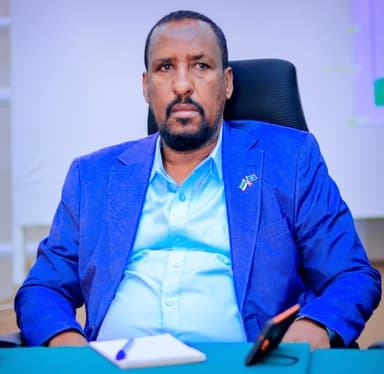


Organizational Structure
MOJCA is organized into eight specialized departments with clear mandates, sections, and functions to ensure effective coordination, accountability, and delivery of justice services. The Ministry is led at the political level by the Minister of Justice and Constitutional Affairs and the Deputy Minister. The Director General reports to the Minister and oversees all departments, including Legal Affairs; Human Resources, Administration and Finance; Planning and M&E; Human Rights; Judiciary Affairs; Correctional Affairs; Constitutional Affairs; and Communication and Public Relations. Certain independent and oversight bodies — including the Constitutional Review and Implementation Commission, the Anti-Corruption Commission, the Correctional Custodial Corps Commissioner, the State Judiciary Service Commission, and the Attorney General Office — report to the Minister or Deputy Minister as provided by law.